Fight! Fight! Dell EMC and Pure Storage Engage in Blog Battle
When legacy storage box slingers collide In the weeks leading up to Dell Technologies World conference, Dell and Pure Storage engaged in a “battle of

When legacy storage box slingers collide In the weeks leading up to Dell Technologies World conference, Dell and Pure Storage engaged in a “battle of

In today’s computing environment, more and more companies are beginning to work with massive datasets, ranging into the hundreds of petabytes and beyond. Whether it’s big data analytics, high-definition video, or internet-of-things applications, the necessity for companies to handle large amounts of data in their daily operations continues to grow.

The face of the MSP (managed IT services provider) marketplace is changing rapidly. Not so long ago the keys to success for most MSPs revolved around recommending or selling the newest and best hardware and software products to their customers. But as more and more companies migrate to the cloud, that approach is no longer adequate.
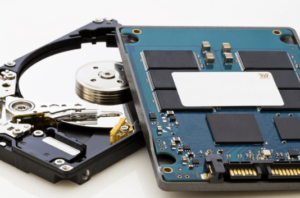
All flash vs hybrid: To flash or not to flash is no longer the question. According to 451 Research, about 90 percent of all enterprises

Solid State Drives (SSDs) are rapidly gaining acceptance for enterprise data storage. But some companies remain reluctant to fully embrace the technology because of lingering

HDD vs SSD: What’s better for you? Solid state drives (SSDs) are displacing hard disk drives (HDDs) in corporate data centers at an accelerating rate.

For the last half century hard disk drives (HDDs) have been the premier storage technology in enterprise data centers. But with the maturing of flash
“In 2016, we will stop putting hard disk drives in our servers.” That’s the opinion of storage consultant Jim O’Reilly, formerly VP of engineering at Germane
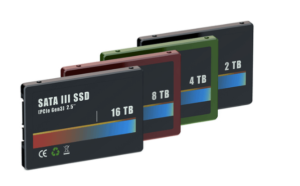
Last Updated: April 20, 2026 The storage landscape has transformed dramatically since 2017. What once seemed like a gradual transition has become a storage revolution.