Introduction: The Evolving Hypervisor Landscape
With VMware’s acquisition by Broadcom triggering license cost increases of 400-600%, IT leaders are actively exploring alternatives. This comparison focuses on two notable options: Zadara and Citrix in the hypervisor level.
Both Zadara and Citrix solutions can work together for serious VMware competition: Citrix (for desktops/apps) + Zadara (for underlying storage and compute) is a direct alternative to VMware Horizon + vSAN + vSphere. However, the hypervisors themselves take fundamentally different approaches to virtualization. The Zadara Hypervisor is built on an enhanced KVM-based architecture optimized specifically for cloud deployments, while Citrix Hypervisor, formerly known as XenServer, is a Type-1 bare-metal hypervisor based on the Xen Project.
This technical analysis examines how these two solutions stack up across architecture, features, performance, and use cases to help you determine which might better serve your organization’s needs.
Core Architecture: Fundamental Differences
Understanding the Zadara Hypervisor Architecture
The Zadara Hypervisor builds on a cloud-optimized foundation with several distinctive architectural elements:
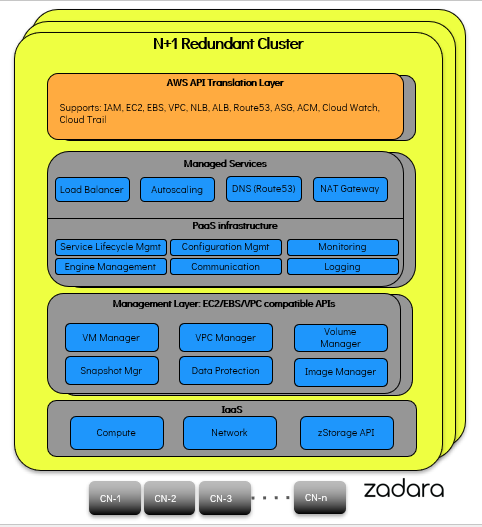
Zadara acquired NeoKarm including the former Stratoscale software IP. That software started with a KVM-based hypervisor that its libraries have been specifically enhanced/changed for cloud environments.
Unlike traditional hypervisors, Zadara’s approach integrates deeply with its fully managed Infrastructure-as-a-Service (IaaS) platform. This integration creates a unified experience where the hypervisor isn’t a separate component but part of a cohesive cloud solution.
A key architectural advantage is Zadara’s AWS EC2 API compatibility. This design choice allows organizations familiar with AWS to leverage existing tools, scripts such as Terraform, and workflows without modification. The architecture prioritizes automation and programmability, enabling infrastructure-as-code approaches from day one.
Key Features of Citrix Hypervisor for Enterprise Deployments
Citrix takes a more traditional approach to virtualization with its Type-1 hypervisor:
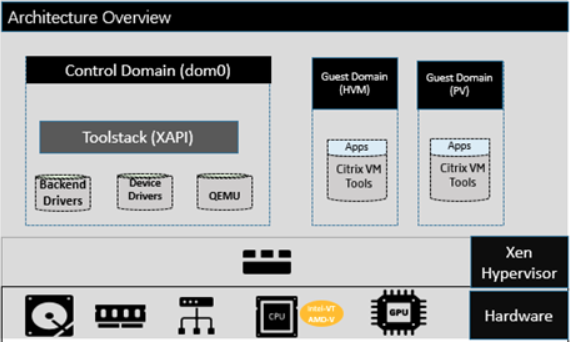
Citrix Hypervisor operates as a bare-metal solution, installing directly on server hardware without requiring a host operating system. This architecture maximizes performance by eliminating the overhead of a general-purpose OS. The system employs a Control Domain (dom0) with the XAPI toolstack to manage virtual machine instances.
One of Citrix Hypervisor’s architectural strengths is its clear separation between control and guest domains. This separation enhances security by isolating management functions from virtual machine workloads. The architecture has been refined over many years, resulting in a mature and stable platform particularly well-suited to Windows workloads.
When evaluating a VM hypervisor, it’s essential to consider both the technical capabilities and the licensing model. Zadara’s cloud-native approach contrasts sharply with Citrix’s enterprise-focused architecture, creating distinct advantages for different use cases.
Detailed Hypervisor Comparison: Feature Analysis
This hypervisor comparison reveals significant architectural differences between Zadara’s cloud-optimized approach and Citrix’s traditional enterprise design. These differences extend to specific features across several key categories:
Virtual Machine Management Capabilities
Feature | Zadara Hypervisor | Citrix Hypervisor |
VM Deployment | – 9-click VM deployment | – Live VM migration |
Migration | VM migration tools (internal and external with 3rd party software) with minimal downtime | Live VM migration with memory streaming |
Scaling | Auto-scaling support for dynamic workloads | Manual scaling with resource pools |
VM Protection | Snapshot capabilities for point-in-time recovery | VDI snapshots and VM protection policies |
Advanced Features | Cloud-native orchestration | VM anti-affinity groups, vTPM support |
OS Support | Linux-focused with broad compatibility. Windows is supported with either SPLA or “bring your own license” model. | Strong Windows support (including Windows 11) |
Zadara’s approach emphasizes simplicity and automation, with features like 9-click VM deployment and auto-scaling that reduce management overhead. Citrix focuses on enterprise-grade capabilities like live migration and advanced Windows support, reflecting its traditional data center heritage.
Networking Architecture and Capabilities
Both hypervisors offer robust networking features, but with different emphases:
The Zadara platform supports Virtual Private Cloud (VPC) implementations similar to public cloud providers, allowing logical network isolation. Zadara also implements a Distributed Virtual Switch (DVS) architecture that enables extending layer 2 networks across physical locations—particularly valuable for hybrid deployments.
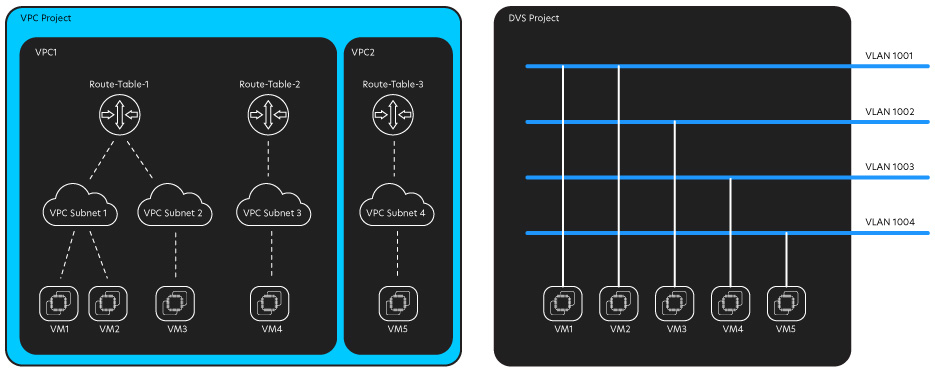
Citrix Hypervisor provides strong VLAN support and NIC bonding capabilities for improved throughput and redundancy. Its networking stack is designed for integration with existing enterprise network infrastructure, making it particularly suitable for organizations with established networking teams and practices.
When comparing Zadara vs Citrix Hypervisor features, networking capabilities show significant differences in approach and flexibility. Zadara adopts more cloud-like networking constructs, while Citrix maintains compatibility with traditional enterprise networking paradigms.
Storage Integration and Management
Storage architecture represents another area of significant divergence:
Storage Feature | Zadara Approach | Citrix Approach |
Primary Storage for the VMs | Elastic Block Storage | Storage repositories (SRs) |
Provisioning | Dynamic with consumption-based billing | Thin provisioning with upfront allocation |
File Storage | Integrated file shares | Separate file storage solutions |
Snapshot Technology | Storage-level snapshots | VDI snapshots |
Format Support | Standard cloud formats | VHDX/AVHDX support |
API Compatibility | AWS EBS API compatibility | Proprietary APIs |
Zadara’s storage architecture mirrors public cloud providers with EBS-compatible block, file and object storage and API-driven management. This approach simplifies hybrid cloud implementations and enables consistent management across environments. Citrix uses a more traditional storage repository model that integrates well with existing enterprise storage systems.
Security Framework and Controls
As organizations seek hypervisor alternatives due to VMware’s changing landscape, both Zadara and Citrix offer compelling options with different security approaches:
Zadara implements a cloud-security model with granular security policies, resource quotas, and role-based access control (RBAC). This approach aligns with modern security practices that emphasize least-privilege access and fine-grained controls. Security groups allow network-level protection similar to cloud firewalls.
Citrix Hypervisor focuses on security through isolation, leveraging the strong separation between control and guest domains inherent in its architecture. The platform supports virtual TPM for enhanced workload security, particularly important for sensitive applications. Its role-based access model is designed for enterprise environments with complex organizational structures.
Performance and Resource Management
Performance characteristics differ significantly between these platforms, reflecting their architectural foundations:
Zadara Performance Optimization
Zadara’s performance model centers on dynamic resource allocation and automated scaling. The platform continuously monitors workload demands and can adjust resources accordingly, optimizing utilization without manual intervention. This approach is particularly effective for variable workloads with fluctuating demands.
The platform includes support for GPU resources, making it suitable for AI and machine learning workloads that require specialized hardware acceleration. Performance monitoring and alerting are integrated into the management interface, providing visibility into resource utilization and potential bottlenecks.
Citrix Resource Management Approach
Citrix Hypervisor organizes resources into pools that can span multiple physical hosts. This structure enables workload balancing across the infrastructure, improving overall utilization and performance. The platform includes memory stream compression for migrations, reducing the time required to move workloads between hosts.
Monitoring capabilities include NRPE and SNMP support, enabling integration with enterprise monitoring systems. This approach fits well with organizations that have established monitoring practices and tools.
Determining the best hypervisor for virtualization depends largely on your specific workload requirements and infrastructure goals. Zadara’s dynamic approach may better suit variable workloads, while Citrix’s resource pools offer advantages for stable, predictable workloads.
Integration and Ecosystem Considerations
The integration capabilities of a hypervisor significantly impact its fit within existing environments:
Zadara Integration Landscape
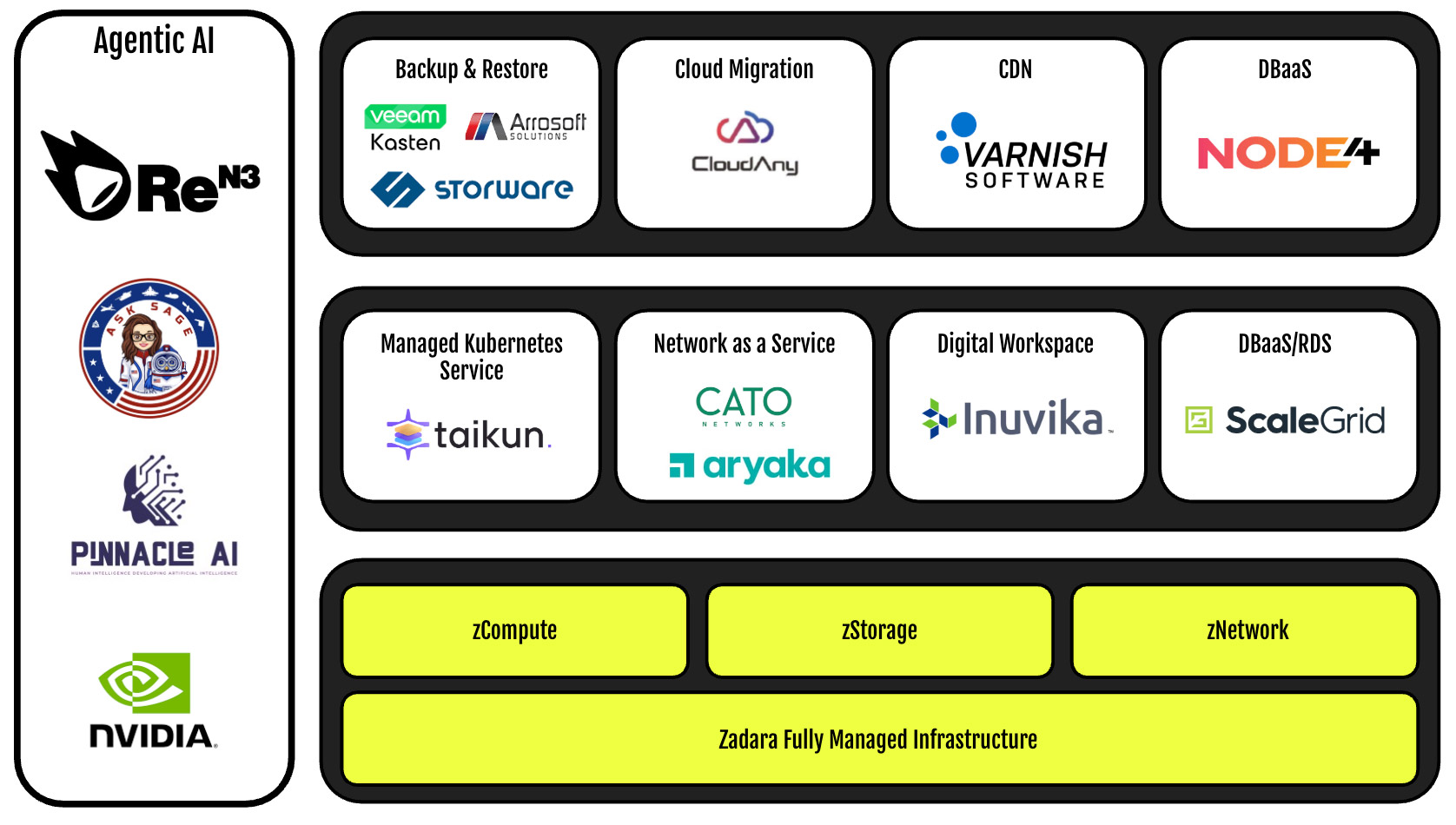
Zadara’s integration strategy centers on cloud compatibility, with particular emphasis on AWS-compatible APIs. This approach enables organizations to use familiar tools and workflows across environments.
The cloud-native design facilitates integration with modern DevOps toolchains and infrastructure-as-code approaches. API-driven management enables automation of virtually all platform functions, supporting modern operational practices.
Citrix Ecosystem Connections
Citrix Hypervisor benefits from integration with the broader Citrix ecosystem, particularly for desktop and application virtualization scenarios. The platform is designed to work seamlessly with Citrix Virtual Apps and Desktops, creating an end-to-end solution for desktop delivery.
The XAPI toolstack provides a consistent management interface that can be accessed through multiple channels, including command-line tools and programming interfaces. This flexibility supports both traditional and modern management approaches.
Both Zadara and Citrix provide robust alternatives to VMware Workstation for different use cases, with integration capabilities that reflect their target markets and architectural foundations.
Target Markets and Ideal Use Cases
The distinct architectures and feature sets of these hypervisors make them suitable for different scenarios:
Zadara Primary Use Cases
Zadara’s hypervisor is particularly well-suited for:
- Cloud Migration Projects: Organizations looking to adopt cloud-like operations while maintaining control over infrastructure.
- Enterprise IaaS Deployments: Businesses seeking a managed infrastructure solution with reduced operational overhead.
- AI and GPU Workloads: Applications requiring specialized hardware acceleration with dynamic resource allocation.
- Backup and Disaster Recovery: Scenarios leveraging Zadara’s snapshot and replication capabilities.
The consumption-based pricing model makes Zadara especially attractive for variable workloads where traditional licensing would lead to overprovisioning.
Citrix Ideal Deployment Scenarios
Citrix Hypervisor is often considered among the best bare metal hypervisor options for traditional enterprise environments, particularly excelling in:
- Enterprise Virtualization: Traditional data center virtualization with established operational practices.
- Windows Workload Hosting: Environments with significant Windows server and desktop requirements.
- Development and Testing: Isolated environments for application development and testing.
- Resource Consolidation: Projects focused on increasing hardware utilization through virtualization.
Citrix’s mature platform and strong Windows support make it particularly valuable for organizations with significant Microsoft investments.
Understanding your specific requirements is the first step in how to choose a hypervisor for enterprise deployments. Consider workload characteristics, existing skills, and long-term strategic direction when evaluating these options.
Pricing and Licensing Considerations
The financial models for these hypervisors differ substantially:
Zadara’s Consumption-Based Model
Zadara employs a usage-based pricing approach with several key characteristics:
- Pay only for resources actually consumed
- No upfront capital expenditure required
- No hidden fees or charges for management features
- No ingress/egress charges for data transfer
- 24/7 support included in the base price
This model aligns costs directly with value received, eliminating the risk of overprovisioning and unused capacity. Organizations can scale up or down as needed without penalty, creating financial flexibility.
Citrix’s Traditional Licensing Structure
A Citrix Hypervisor pricing comparison reveals a traditional licensing model versus Zadara’s consumption-based approach. Citrix uses a more conventional enterprise licensing model:
- Premium Edition license required for advanced features
- Pool-based licensing tied to physical infrastructure
- Separate support costs based on support level
- Feature-based licensing tiers with different capabilities
- Traditional procurement and renewal cycles
This approach provides predictable costs but requires careful capacity planning to avoid overprovisioning. The upfront nature of licensing can create higher initial costs compared to consumption-based alternatives.
Key Differentiators: Making the Right Choice
When positioned as VMware competition, both Zadara and Citrix offer compelling alternatives, but with distinct advantages:
Zadara’s Unique Advantages
- Cloud-Native Architecture: Purpose-built for modern, dynamic workloads with cloud-like operations.
- Simplified Management: Reduced operational complexity through automation and managed services.
- Flexible Pricing Model: Consumption-based approach that eliminates overprovisioning.
Organizations looking for operational agility and reduced management overhead will find Zadara’s approach particularly appealing. The platform excels in scenarios where workloads vary and traditional capacity planning is challenging.
Citrix’s Competitive Strengths
- Mature Enterprise Platform: Well-established solution with proven reliability in traditional environments.
- Strong Windows Support: Optimized for Microsoft workloads with deep integration.
- Advanced Security Features: Robust isolation and security controls for sensitive workloads.
- Established Ecosystem: Integration with broader Citrix portfolio and third-party tools.
Citrix Hypervisor provides a familiar approach for organizations with established virtualization practices and significant investments in traditional infrastructure. Its maturity and stability make it well-suited for critical enterprise workloads.
Conclusion: Selecting the Right Hypervisor for Your Needs
This hypervisor comparison demonstrates that both Zadara and Citrix offer viable alternatives to VMware, but with fundamentally different approaches that suit different organizational needs.
Zadara’s cloud-native, consumption-based model excels for organizations seeking operational agility, reduced management overhead, and financial flexibility. Its architecture aligns well with modern DevOps practices and variable workloads. Consider Zadara if your organization is pursuing cloud-like operations or has unpredictable resource requirements.
Citrix Hypervisor provides a mature, enterprise-grade solution with particular strengths in Windows workloads and traditional data center environments. Its established architecture and ecosystem make it a natural fit for organizations with existing Citrix investments or traditional operational models. Choose Citrix if stability, Windows support, and integration with existing enterprise systems are primary concerns.
The best choice ultimately depends on your specific requirements, existing investments, and strategic direction. By understanding the distinct approaches and capabilities of these hypervisor alternatives, you can make an informed decision that aligns with your organization’s unique needs and objectives.